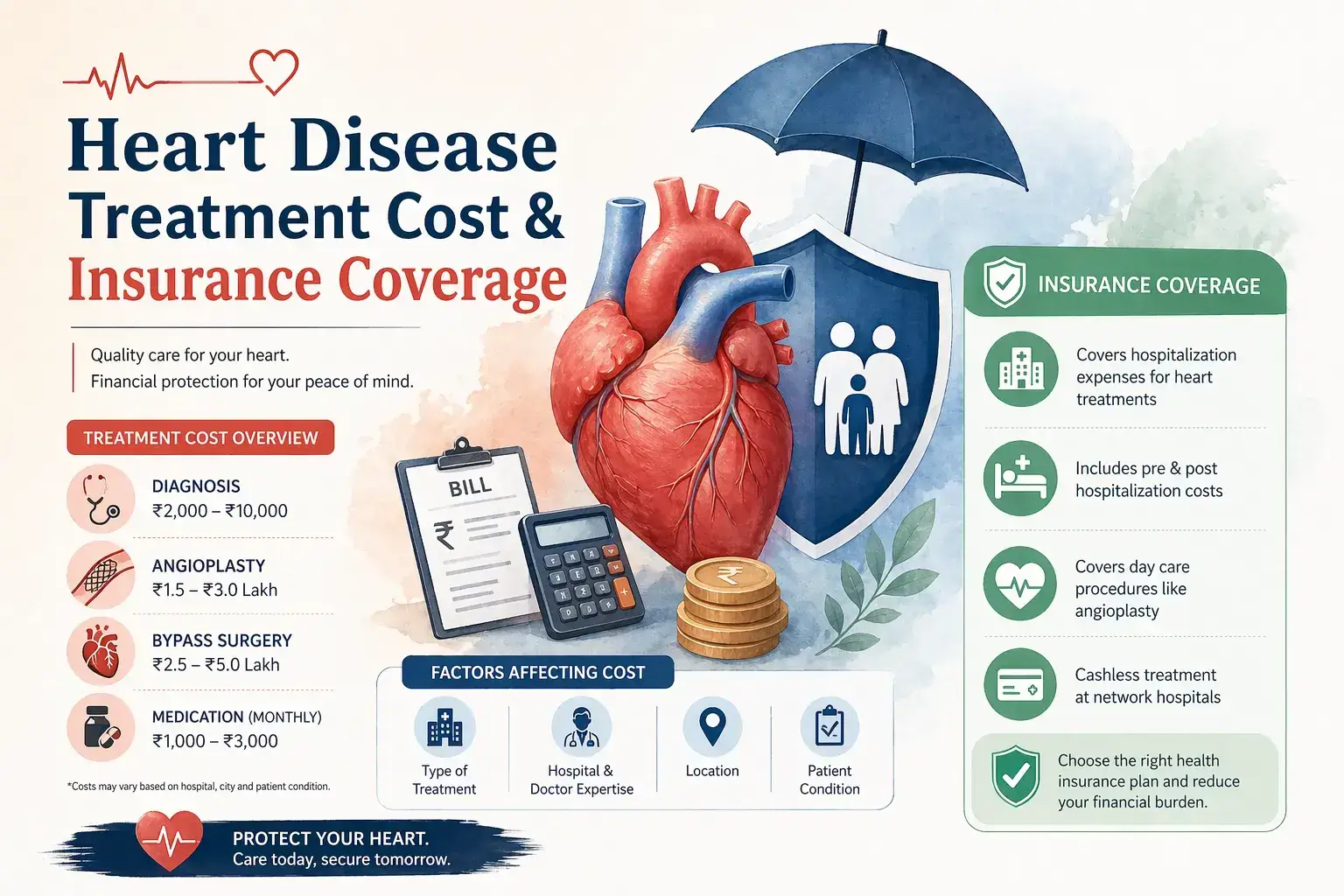
Cost of Stent Surgery in the USA: Full Breakdown (2026 Guide)
Stent surgery, commonly known as angioplasty or percutaneous coronary intervention (PCI), is one of the most frequently performed cardiac procedures in the United States. In 2026, the cost of stent surgery in the USA varies widely depending on hospital type, location, insurance coverage, and the complexity of the case. This comprehensive guide explores every aspect of stent surgery costs, helping patients and families make informed financial and medical decisions.
What is Stent Surgery?
Stent surgery involves inserting a small mesh tube into a blocked or narrowed artery to restore proper blood flow. It is typically used to treat coronary artery disease (CAD) and prevent heart attacks. The procedure is minimally invasive and often performed in emergency situations.
Average Cost of Stent Surgery in the USA (2026)
| Procedure Type | Average Cost (USD) | With Insurance | Without Insurance |
|---|---|---|---|
| Single Stent Placement | $20,000 - $45,000 | $3,000 - $8,000 | $25,000+ |
| Multiple Stents | $40,000 - $90,000 | $5,000 - $15,000 | $60,000+ |
| Emergency Angioplasty | $50,000 - $150,000 | $10,000 - $25,000 | $100,000+ |
Factors Affecting Stent Surgery Costs
1. Type of Stent Used
There are different types of stents including bare-metal stents and drug-eluting stents (DES). Drug-eluting stents are more expensive but reduce the risk of re-narrowing.
2. Hospital and Location
Costs vary significantly between hospitals. Major metropolitan hospitals and specialized cardiac centers tend to charge higher fees compared to smaller facilities.
3. Doctor and Surgeon Fees
Highly experienced cardiologists and interventional specialists often charge premium fees, contributing to the overall cost.
4. Pre- and Post-Procedure Care
Diagnostic tests such as ECG, angiography, blood tests, and follow-up visits add to the total expense.
Detailed Cost Breakdown
| Cost Component | Estimated Cost (USD) |
|---|---|
| Hospital Charges | $10,000 - $50,000 |
| Surgeon Fees | $2,000 - $10,000 |
| Anesthesia | $1,000 - $3,000 |
| Stent Device | $1,500 - $5,000 each |
| Diagnostic Tests | $2,000 - $10,000 |
| Medications | $500 - $3,000 |
Insurance Coverage for Stent Surgery
Most health insurance plans in the United States cover stent procedures as they are considered medically necessary. However, patients should be aware of out-of-pocket costs such as deductibles, copayments, and coinsurance.
- Average deductible: $1,500 - $8,000
- Coinsurance: 10% - 30%
- Out-of-pocket maximum: $7,500 - $20,000
Medicare and Medicaid Coverage
Medicare typically covers angioplasty and stent placement under Part A (hospital insurance) and Part B (medical insurance). Medicaid also covers the procedure for eligible low-income patients, though coverage varies by state.
Cost of Stent Surgery Without Insurance
For uninsured patients, the financial burden can be significant. Emergency procedures can exceed $100,000, especially if ICU care is required. Negotiating hospital bills and exploring financial assistance programs is crucial.
Recovery and Follow-Up Costs
Recovery costs include medications, follow-up visits, cardiac rehabilitation, and lifestyle management programs.
| Recovery Expense | Estimated Cost (USD) |
|---|---|
| Cardiac Rehabilitation | $2,000 - $10,000 |
| Medications (annual) | $1,000 - $5,000 |
| Follow-up Visits | $500 - $2,000 |
USA vs Other Countries: Cost Comparison
| Country | Average Cost |
|---|---|
| USA | $20,000 - $100,000+ |
| India | $3,000 - $8,000 |
| UK | $10,000 - $25,000 |
| Germany | $12,000 - $30,000 |
Hidden Costs Patients Should Know
- Emergency room fees
- Ambulance charges
- Additional stents if complications arise
- Extended hospital stays
How to Reduce Stent Surgery Costs
- Choose in-network hospitals
- Compare hospital pricing
- Ask for itemized billing
- Apply for financial assistance programs
- Consider medical tourism (if appropriate)
Latest Trends in Cardiac Treatment Costs (2026)
Advancements in minimally invasive techniques and AI-assisted diagnostics are improving outcomes but may increase upfront costs. However, competition among healthcare providers and the rise of outpatient cardiac centers may help stabilize pricing in the future.
Conclusion
The cost of stent surgery in the USA remains high but varies widely based on multiple factors. Understanding these costs, along with insurance coverage and financial assistance options, can help patients better prepare for the procedure. With proper planning and awareness, it is possible to manage both the medical and financial aspects of heart treatment effectively.