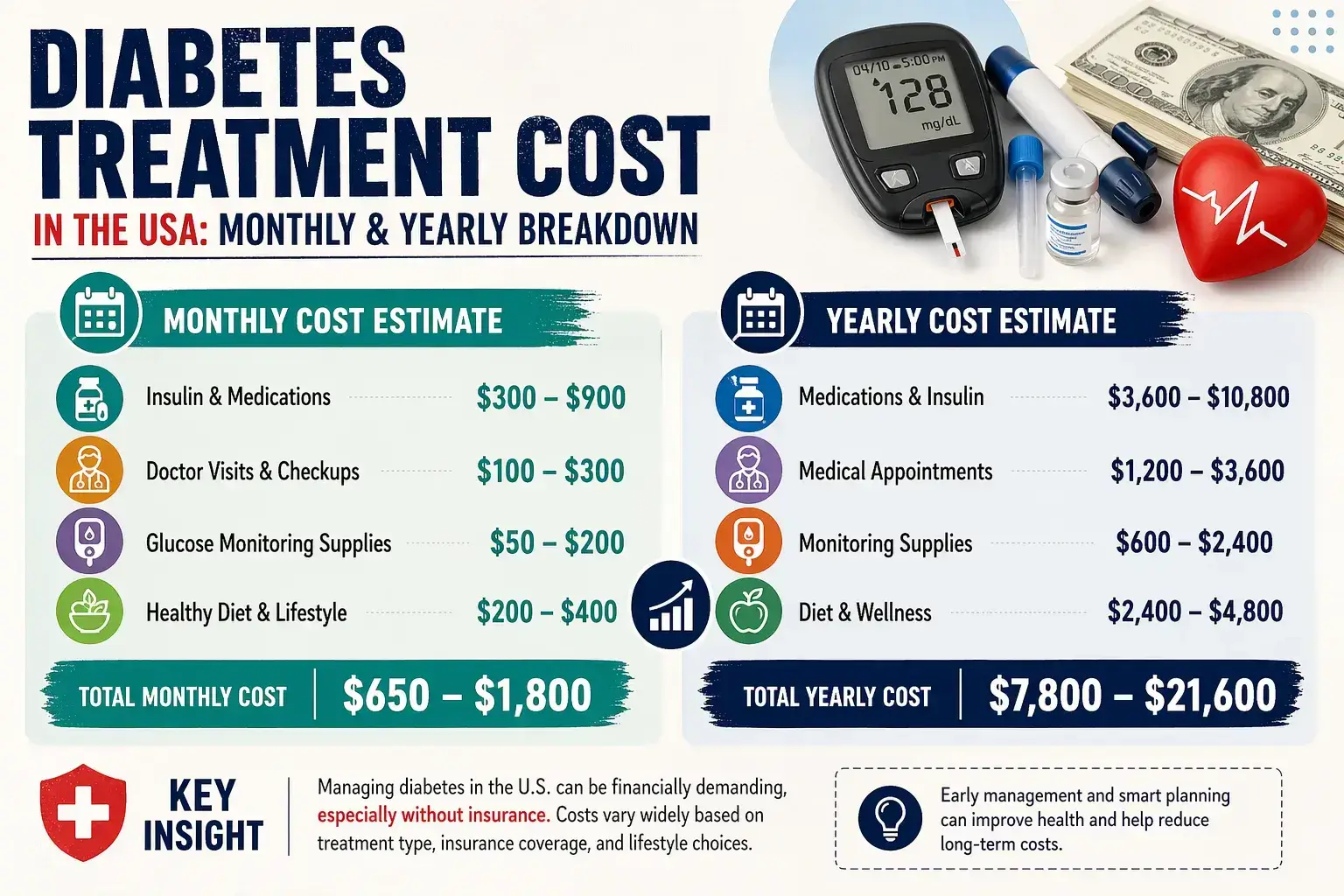
Chronic Disease Insurance Plans in the USA: Complete 2026 Guide
Chronic diseases such as diabetes, heart disease, cancer, asthma, and kidney disorders are among the leading causes of death and disability in the United States. Managing these long-term conditions requires continuous medical care, prescription medications, and lifestyle management, making healthcare costs extremely high. In 2026, finding the right chronic disease insurance plan in the USA is more critical than ever for financial protection and access to quality healthcare.
This comprehensive guide explores the best insurance plans covering chronic diseases, including coverage options, costs, providers, and strategies to maximize benefits while minimizing out-of-pocket expenses.
What is Chronic Disease Insurance?
Chronic disease insurance refers to health insurance plans designed to cover long-term medical conditions that require ongoing treatment. These plans typically include coverage for doctor visits, hospitalization, prescription drugs, diagnostic tests, and preventive care.
Most Common Chronic Diseases Covered
- Diabetes (Type 1 & Type 2)
- Heart disease and hypertension
- Cancer and ongoing oncology treatments
- Chronic kidney disease
- Asthma and COPD
- Arthritis and autoimmune disorders
- Neurological disorders like Parkinson’s and multiple sclerosis
Types of Insurance Plans for Chronic Diseases in the USA
1. Employer-Sponsored Health Insurance
Employer-sponsored plans remain the most common source of health coverage in the USA. These plans often provide comprehensive coverage for chronic diseases, including preventive services and disease management programs.
2. ACA Marketplace Plans (Obamacare)
Affordable Care Act (ACA) plans guarantee coverage for pre-existing conditions, making them one of the best options for individuals with chronic illnesses. Essential health benefits include hospitalization, prescription drugs, and chronic disease management.
3. Medicare Plans
Medicare provides coverage for individuals aged 65+ and certain younger individuals with disabilities. Medicare Part B and Part D are especially important for chronic disease management, covering outpatient services and medications.
4. Medicaid
Medicaid offers low-cost or free coverage for eligible low-income individuals. It includes extensive benefits for chronic conditions, including long-term care services.
5. Private Health Insurance
Private insurers offer customized plans with broader provider networks and faster access to specialists. However, premiums are typically higher.
6. Critical Illness Insurance
This supplemental insurance provides a lump-sum payout upon diagnosis of specific chronic or critical conditions such as cancer, stroke, or heart attack.
Average Cost of Chronic Disease Insurance Plans (2026)
| Plan Type | Monthly Premium | Deductible | Out-of-Pocket Maximum |
|---|---|---|---|
| Employer Plan | $400 - $900 | $1,000 - $3,000 | $5,000 - $8,500 |
| ACA Marketplace | $350 - $800 | $2,000 - $7,500 | $8,500 - $9,100 |
| Private Insurance | $500 - $1,200+ | $1,500 - $5,000 | $7,000 - $15,000 |
| Medicare (Part B + D) | $170 - $500 | Low | Varies |
| Critical Illness Insurance | $25 - $150 | None | N/A |
Key Features to Look for in Chronic Disease Insurance
- Coverage for pre-existing conditions
- Affordable prescription drug coverage
- Access to specialists and disease management programs
- Low out-of-pocket maximums
- Telehealth and remote monitoring services
- Preventive care and wellness benefits
Prescription Drug Coverage
Prescription medications are one of the largest expenses for chronic disease patients. Plans with strong formulary coverage and low copays for essential drugs can save thousands annually. Specialty drugs for conditions like cancer or autoimmune diseases can cost $5,000 to $20,000 per month without insurance.
High-Risk Health Insurance Pools
For individuals denied traditional coverage, high-risk pools provide an alternative. While premiums are higher, these plans ensure access to necessary medical care.
Best Insurance Providers for Chronic Diseases in the USA
- UnitedHealthcare
- Blue Cross Blue Shield
- Kaiser Permanente
- Aetna
- Cigna
Cost Breakdown for Chronic Disease Management
| Expense Type | Annual Cost Without Insurance | With Insurance |
|---|---|---|
| Doctor Visits | $2,000 - $10,000 | $500 - $2,000 |
| Medications | $5,000 - $50,000 | $1,000 - $10,000 |
| Hospitalization | $20,000 - $100,000 | $2,000 - $10,000 |
| Diagnostic Tests | $1,000 - $15,000 | $200 - $3,000 |
How to Choose the Best Plan
- Compare premiums vs out-of-pocket costs
- Check provider networks and specialists
- Review drug formularies carefully
- Evaluate coverage for ongoing treatments
- Look for disease management programs
Financial Assistance Options
- Government subsidies under ACA
- Non-profit patient assistance programs
- Pharmaceutical company discounts
- Health Savings Accounts (HSA)
- Flexible Spending Accounts (FSA)
Emerging Trends in 2026
Healthcare in the USA is evolving rapidly with digital health tools, AI-based diagnostics, and personalized treatment plans. Insurance providers are increasingly offering value-based care models, where costs are linked to patient outcomes rather than services provided.
Tips to Reduce Chronic Disease Costs
- Use in-network providers
- Opt for generic medications
- Take advantage of preventive care
- Use telehealth services
- Maintain a healthy lifestyle to reduce complications
Conclusion
Chronic disease insurance in the USA is essential for managing long-term health conditions without financial strain. With the right plan, patients can access high-quality care, reduce out-of-pocket costs, and improve their quality of life. By understanding different insurance options, comparing plans, and utilizing financial assistance programs, individuals can make informed decisions that protect both their health and finances in 2026 and beyond.