CAR-T Cell Therapy Cost in the USA: Is It Worth It?
CAR-T cell therapy is one of the most advanced and revolutionary cancer treatments available in the United States today. In 2026, this cutting-edge immunotherapy is offering new hope to patients with aggressive and rare cancers, particularly those who have not responded to traditional treatments like chemotherapy or radiation. However, with innovation comes cost — and CAR-T therapy is among the most expensive cancer treatments in the world.
This comprehensive guide explores the cost of CAR-T therapy in the USA, including hospital expenses, insurance coverage, success rates, and whether it is truly worth the investment for patients and families.
What is CAR-T Cell Therapy?
CAR-T (Chimeric Antigen Receptor T-cell) therapy is a personalized immunotherapy that modifies a patient's own T-cells to recognize and attack cancer cells. The process involves extracting immune cells, genetically engineering them in a laboratory, and reinfusing them into the patient.
This therapy is primarily used for certain blood cancers such as:
- Acute lymphoblastic leukemia (ALL)
- Diffuse large B-cell lymphoma (DLBCL)
- Multiple myeloma
Average CAR-T Therapy Cost in the USA (2026)
| Cost Component | Estimated Cost (USD) |
|---|---|
| CAR-T Drug Cost | $375,000 - $500,000 |
| Hospitalization | $100,000 - $300,000 |
| ICU & Monitoring | $50,000 - $150,000 |
| Pre-Treatment Testing | $20,000 - $50,000 |
| Post-Treatment Care | $30,000 - $100,000 |
| Total Cost | $500,000 - $1,000,000+ |
The total cost of CAR-T therapy in the United States can easily exceed $1 million when all components are included. This makes it one of the highest-cost treatments in modern medicine.
Why is CAR-T Therapy So Expensive?
The high price of CAR-T therapy is driven by several factors:
- Personalized treatment manufacturing for each patient
- Complex genetic engineering process
- Highly specialized medical teams and facilities
- Intensive monitoring for side effects
- Limited availability and high demand
Unlike standard drugs, CAR-T therapy is not mass-produced, which significantly increases production costs.
Insurance Coverage for CAR-T Therapy
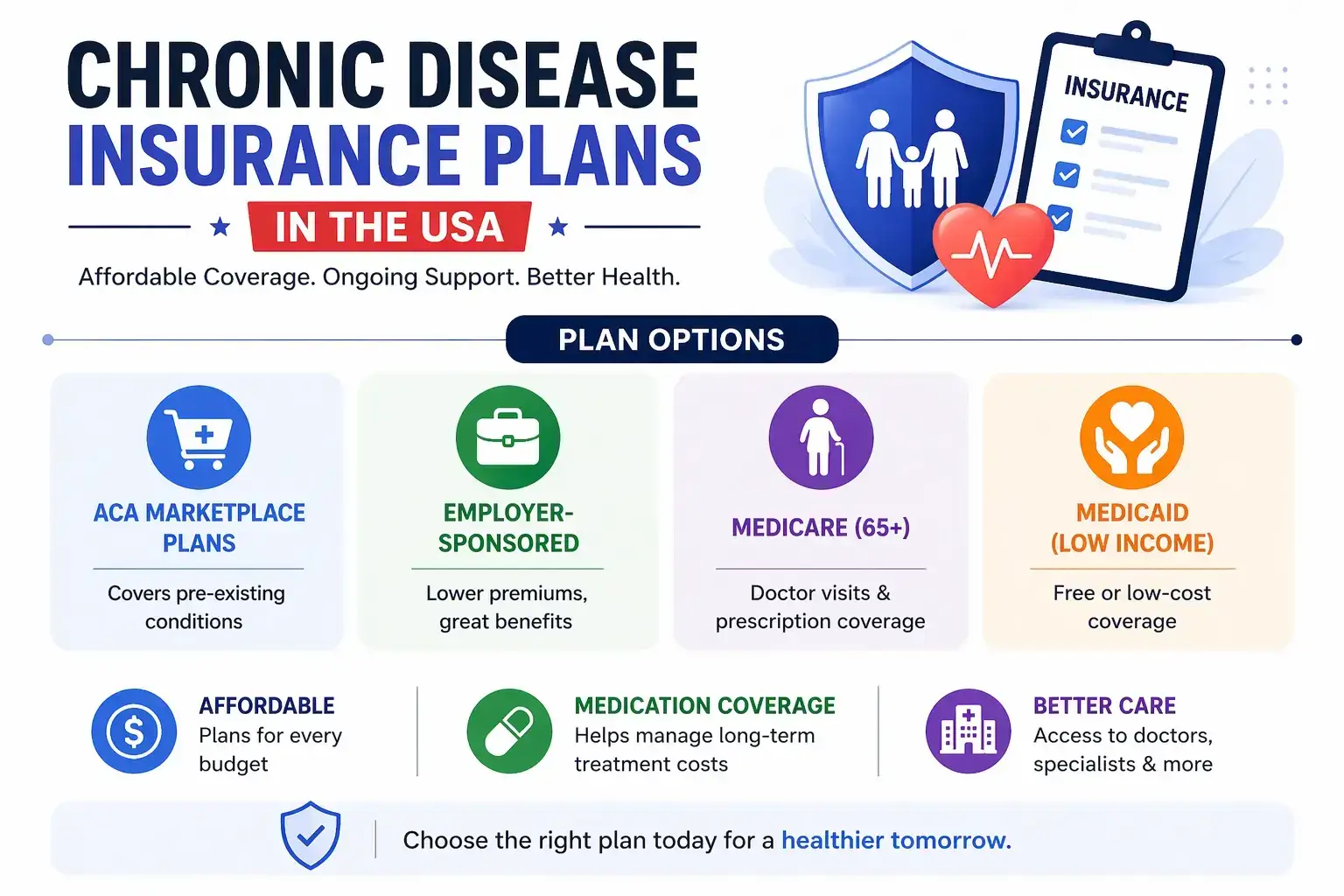
Most major insurance providers in the USA, including private insurers and Medicare, offer partial coverage for CAR-T therapy. However, coverage depends on medical necessity, FDA approval status, and specific policy details.
- Medicare covers FDA-approved CAR-T therapies
- Private insurance may require pre-authorization
- Out-of-pocket costs can still exceed $50,000+
Financial Assistance Options
Due to the high cost, many patients rely on financial assistance programs to access CAR-T therapy:
- Pharmaceutical company assistance programs
- Non-profit cancer organizations
- Hospital financial aid
- Clinical trials with reduced or no cost
- Crowdfunding platforms
Success Rates of CAR-T Therapy
| Cancer Type | Response Rate | Remission Rate |
|---|---|---|
| Acute Lymphoblastic Leukemia | 80% - 90% | 60% - 80% |
| Diffuse Large B-Cell Lymphoma | 50% - 70% | 40% - 60% |
| Multiple Myeloma | 70% - 90% | 50% - 70% |
While CAR-T therapy offers high success rates for certain cancers, it is not guaranteed to work for every patient. Outcomes depend on individual health conditions, cancer stage, and prior treatments.
Risks and Side Effects
Despite its effectiveness, CAR-T therapy carries significant risks:
- Cytokine Release Syndrome (CRS)
- Neurological complications
- Severe infections
- Low blood cell counts
These side effects often require intensive monitoring, contributing to higher hospital costs.
Is CAR-T Therapy Worth the Cost?
Determining whether CAR-T therapy is worth it depends on several factors:
- Patient eligibility and health condition
- Availability of alternative treatments
- Financial resources and insurance coverage
- Potential for long-term remission
For many patients with treatment-resistant cancers, CAR-T therapy represents a life-saving option despite the high cost.
CAR-T Therapy vs Traditional Treatments
| Treatment Type | Average Cost | Effectiveness | Duration |
|---|---|---|---|
| Chemotherapy | $10,000 - $200,000 | Moderate | Months |
| Radiation Therapy | $10,000 - $100,000 | Moderate | Weeks |
| CAR-T Therapy | $500,000 - $1,000,000+ | High (specific cancers) | One-time |
Future of CAR-T Therapy Pricing
As technology advances and more companies enter the market, the cost of CAR-T therapy is expected to decrease over time. Innovations such as off-the-shelf CAR-T products and automation in manufacturing could make treatments more accessible and affordable by 2030.
How to Reduce CAR-T Therapy Costs
- Choose hospitals within insurance networks
- Apply for patient assistance programs
- Explore clinical trial opportunities
- Negotiate hospital bills
- Seek second opinions for cost-effective care
Conclusion
CAR-T cell therapy is a groundbreaking advancement in cancer treatment, offering hope to patients with limited options. However, its high cost in the USA makes it a significant financial challenge. By understanding the full cost breakdown, insurance coverage, and available financial support, patients can make informed decisions about whether this life-saving treatment is worth pursuing.
Ultimately, while CAR-T therapy may come with a high price tag, its potential to deliver long-term remission and improved survival rates makes it one of the most valuable innovations in modern oncology.