How Insurance Covers Rare Cancer Treatments in the USA
Health insurance plays a critical role in managing the extremely high cost of rare cancer treatments in the United States. With treatment expenses often exceeding hundreds of thousands of dollars, understanding how insurance coverage works is essential for patients and families. This comprehensive 2026 guide explains how insurance covers rare cancer treatments, what is included, what is not, and how to significantly reduce out-of-pocket expenses.
Understanding Cancer Insurance Coverage in the USA
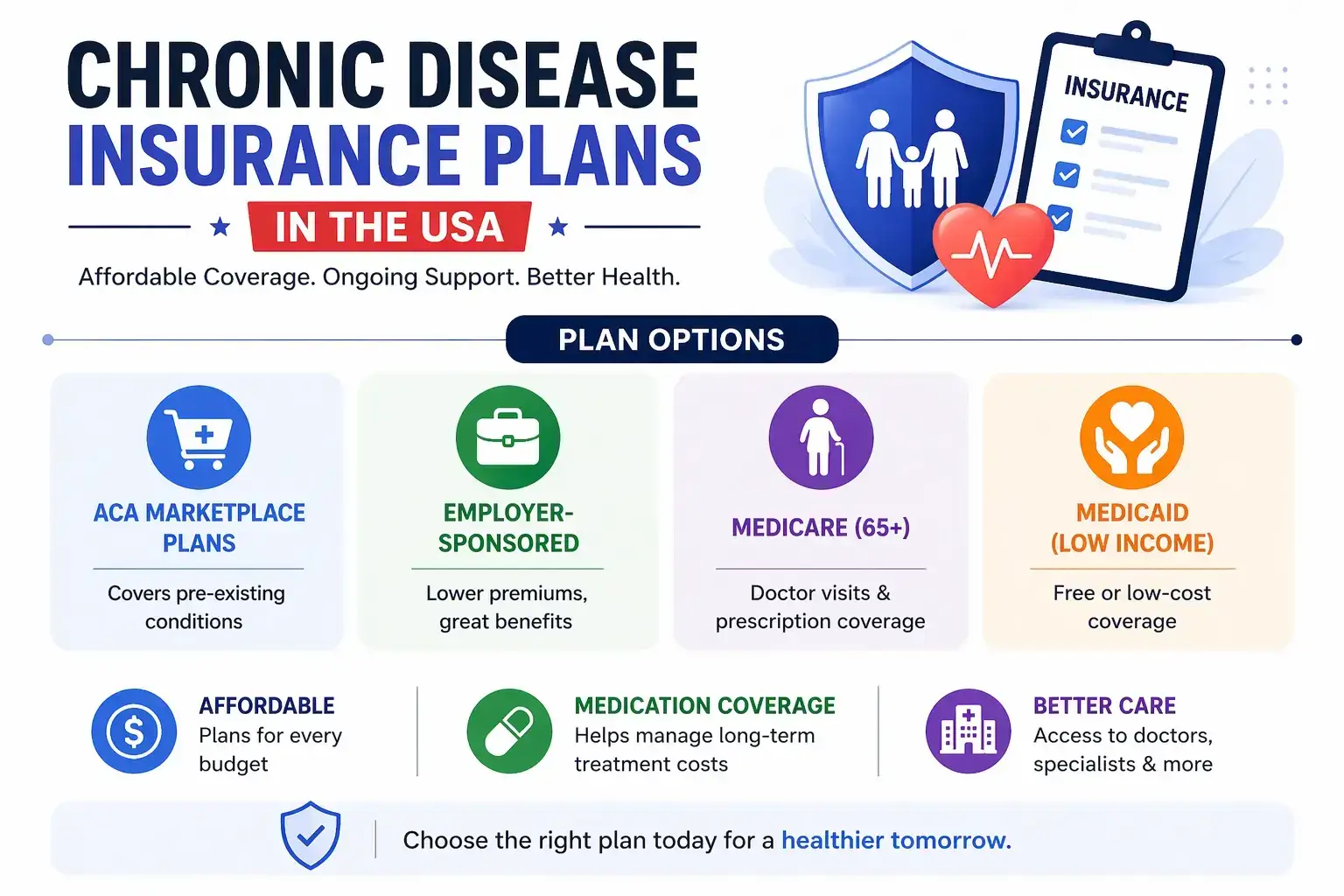
In the U.S., cancer treatment is typically covered under standard health insurance policies, including employer-sponsored plans, private insurance, Medicare, and Medicaid. However, rare cancers often require specialized treatments that may not be fully covered, leading to higher out-of-pocket costs.
Types of Insurance That Cover Rare Cancer Treatments
1. Employer-Sponsored Health Insurance
Employer-sponsored plans are the most common form of insurance in the United States. These plans usually cover major cancer treatments such as chemotherapy, radiation therapy, and surgery. However, coverage for advanced therapies like immunotherapy or clinical trials may vary.
2. Private Health Insurance Plans
Private insurance plans offer flexible coverage options but can come with higher premiums. Comprehensive plans often include broader oncology coverage, including targeted therapies and second opinions.
3. Medicare Coverage
Medicare is available for individuals aged 65 and older or those with disabilities. It includes:
- Part A: Hospital stays and inpatient care
- Part B: Outpatient services including chemotherapy
- Part D: Prescription drugs including oral cancer medications
4. Medicaid Support
Medicaid provides coverage for low-income individuals. It often covers cancer treatments but may limit access to specialized centers or newer therapies.
What Cancer Treatments Are Typically Covered?
| Treatment Type | Coverage Level | Notes |
|---|---|---|
| Chemotherapy | 80% - 100% | Usually covered under outpatient benefits |
| Radiation Therapy | 70% - 100% | Requires prior authorization |
| Surgery | 60% - 90% | Depends on hospital network |
| Immunotherapy | 50% - 80% | High-cost, may need approval |
| Targeted Therapy | 50% - 90% | Covered under prescription drug plans |
Key Insurance Terms You Must Understand
- Premium: Monthly payment for insurance coverage
- Deductible: Amount you must pay before insurance starts covering costs
- Copayment: Fixed fee for services
- Coinsurance: Percentage of costs you share with insurer
- Out-of-pocket maximum: Maximum amount you pay annually
Out-of-Pocket Costs for Rare Cancer Patients
Even with insurance, patients often face significant expenses. These may include deductibles, copays, travel costs, and non-covered treatments.
| Expense Type | Average Cost (USD) |
|---|---|
| Deductible | $2,000 - $10,000 |
| Coinsurance | 10% - 30% |
| Out-of-pocket Maximum | $8,000 - $20,000 |
| Non-covered Treatments | $10,000 - $100,000+ |
Prior Authorization and Claim Approvals
Insurance companies often require prior authorization before approving expensive treatments such as immunotherapy or specialized surgeries. Failure to obtain approval can result in claim denial, leaving patients responsible for the full cost.
Common Reasons for Claim Denials
- Experimental or investigational treatments
- Out-of-network providers
- Lack of medical necessity documentation
- Incorrect billing codes
How to Appeal an Insurance Denial
If your claim is denied, you have the right to appeal. Steps include:
- Request a detailed explanation of denial
- Submit medical records and doctor recommendations
- File an internal appeal with your insurer
- Request an external review if necessary
Clinical Trials and Insurance Coverage
Many insurance plans cover routine costs associated with clinical trials, but not the experimental treatment itself. Patients should verify coverage details before enrolling in a trial.
Financial Assistance Programs
To reduce financial burden, patients can explore:
- Pharmaceutical assistance programs
- Non-profit cancer foundations
- Hospital financial aid programs
- Co-pay assistance programs
Strategies to Reduce Out-of-Pocket Costs
- Choose in-network hospitals and oncologists
- Maximize annual out-of-pocket limits
- Use generic or biosimilar drugs
- Apply for financial assistance early
- Negotiate treatment costs with providers
High-Cost Treatments and Insurance Challenges
Rare cancer treatments such as CAR-T therapy and precision medicine can exceed $500,000. Insurance companies may partially cover these treatments but often require extensive documentation and approvals.
Supplemental Insurance Options
Supplemental insurance policies can help cover gaps in primary insurance. These include:
- Critical illness insurance
- Cancer-specific insurance plans
- Hospital indemnity plans
Future of Cancer Insurance Coverage
In 2026 and beyond, insurance providers are adapting to new cancer treatments by expanding coverage for personalized medicine and digital health monitoring. However, rising costs continue to challenge affordability.
Expert Tips for Navigating Cancer Insurance
- Always review your policy in detail
- Work with a patient advocate or case manager
- Keep records of all medical expenses
- Understand your rights under U.S. healthcare laws
Conclusion
Understanding cancer insurance coverage in the USA is essential for managing the high cost of rare cancer treatments. While insurance significantly reduces financial burden, patients must remain proactive in understanding their coverage, seeking approvals, and exploring financial assistance options. By taking the right steps, patients can access life-saving treatments while minimizing financial stress.