Alzheimer's Treatment Cost & Care Options (2026 Complete Guide)
Alzheimer’s disease is one of the most financially demanding long-term medical conditions, especially in countries like the United States where healthcare costs are among the highest globally. As a progressive neurological disorder, Alzheimer’s requires ongoing treatment, supervision, and specialized care, often for many years. This comprehensive guide explores Alzheimer treatment cost, care options, insurance coverage, and financial planning strategies to help families prepare for the long journey ahead.
Understanding Alzheimer’s Disease and Its Financial Impact
Alzheimer’s is a degenerative brain disorder that gradually affects memory, thinking, and behavior. Unlike short-term illnesses, Alzheimer’s requires continuous care that evolves over time—from early-stage outpatient treatment to full-time residential care in advanced stages. This progression significantly increases the total cost of care.
In 2026, the lifetime cost of Alzheimer’s care in the United States can exceed $500,000 to $1,000,000 per patient, depending on disease progression, care type, and geographic location.
Average Alzheimer Treatment Cost Breakdown (2026)
| Care Type | Average Annual Cost (USD) | Details |
|---|---|---|
| Medications | $3,000 - $12,000 | Includes cognitive enhancers and symptom management drugs |
| Doctor Visits & Diagnostics | $5,000 - $20,000 | Neurologist visits, brain scans, lab tests |
| In-Home Care | $25,000 - $80,000 | Part-time or full-time caregiver support |
| Assisted Living | $50,000 - $90,000 | Includes basic care and supervision |
| Memory Care Facility | $80,000 - $150,000 | Specialized Alzheimer’s care units |
| Nursing Home | $100,000 - $200,000+ | 24/7 medical care for advanced stages |
Cost of Alzheimer’s Medications
Medications for Alzheimer’s focus on slowing cognitive decline and managing behavioral symptoms. Common drugs include cholinesterase inhibitors and NMDA receptor antagonists. While generic versions are available, newer drugs and experimental therapies can significantly increase costs.
Patients may spend between $250 and $1,000 per month on medications depending on prescriptions and insurance coverage.
In-Home Care vs Facility Care: Cost Comparison
| Care Option | Monthly Cost | Best For |
|---|---|---|
| Home Care (Part-Time) | $2,000 - $5,000 | Early-stage patients |
| Home Care (Full-Time) | $5,000 - $12,000 | Moderate-stage patients |
| Assisted Living | $4,000 - $7,500 | Supervised living with independence |
| Memory Care Unit | $7,000 - $12,000 | Specialized dementia care |
| Nursing Home | $8,000 - $15,000+ | Advanced-stage patients |
Memory Care Facilities: Why They Are Expensive
Memory care facilities are specifically designed for Alzheimer’s and dementia patients. These facilities offer structured environments, trained staff, enhanced security, and personalized therapy programs. The higher cost reflects specialized care, lower staff-to-patient ratios, and advanced safety infrastructure.
Insurance Coverage for Alzheimer’s Treatment
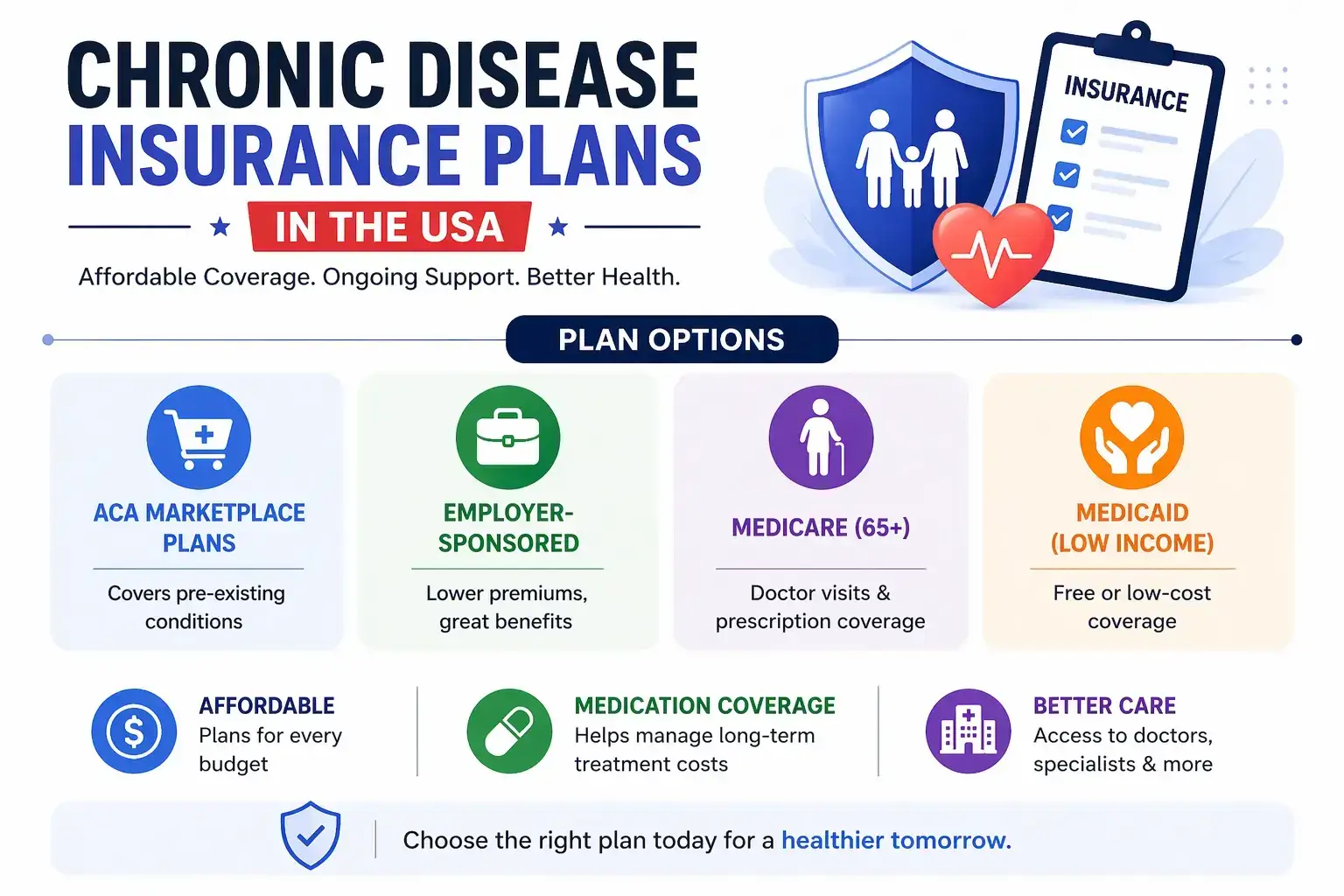
Insurance coverage plays a critical role in managing Alzheimer treatment cost. However, coverage is often limited for long-term care services.
- Medicare: Covers medical treatment but not long-term custodial care
- Medicaid: Covers nursing home care for eligible low-income individuals
- Private Insurance: May cover medications and short-term care
- Long-Term Care Insurance: Best option for extended care coverage
Long-Term Care Insurance: Is It Worth It?
Long-term care insurance can significantly reduce out-of-pocket expenses. Policies typically cover assisted living, home care, and nursing facilities. Premiums vary based on age, health, and coverage limits but can save hundreds of thousands of dollars over time.
Hidden Costs of Alzheimer’s Care
- Home modifications (ramps, safety systems)
- Transportation and mobility support
- Lost income for family caregivers
- Legal and financial planning fees
- Emergency medical care
Financial Assistance Programs
Several programs help reduce Alzheimer care costs:
- Medicaid Waivers
- Veterans Affairs (VA) benefits
- Non-profit Alzheimer’s foundations
- State-specific caregiving support programs
- Tax deductions for medical expenses
Cost Comparison: USA vs Other Countries
| Country | Average Annual Cost |
|---|---|
| USA | $80,000 - $150,000+ |
| UK | $30,000 - $70,000 |
| Canada | $25,000 - $60,000 |
| India | $5,000 - $20,000 |
How to Reduce Alzheimer Treatment Costs
- Plan early with long-term care insurance
- Utilize community-based care programs
- Explore government assistance options
- Choose cost-effective home care solutions
- Compare multiple care providers before deciding
Future Trends in Alzheimer’s Treatment Costs
Advancements in biotechnology, AI diagnostics, and early detection tools are expected to reshape Alzheimer’s care. While innovative treatments may initially be expensive, increased competition and biosimilars could gradually reduce costs.
Conclusion
Alzheimer’s treatment cost is a major financial challenge that requires careful planning and informed decision-making. From medications to long-term care facilities, expenses can quickly add up over time. Understanding available care options, insurance coverage, and financial assistance programs can help families manage costs effectively while ensuring the best possible care for their loved ones.
Preparing early is the key to minimizing financial stress and maximizing quality of life for Alzheimer’s patients.